Coronavirus disease 2019

COVID-19 is a contagious disease caused by the coronavirus SARS-CoV-2. In January 2020, the disease spread worldwide, resulting in the COVID-19 pandemic.

The symptoms of COVID‑19 can vary but often include fever,[7] fatigue, cough, breathing difficulties, loss of smell, and loss of taste.[8][9][10] Symptoms may begin one to fourteen days after exposure to the virus. At least a third of people who are infected do not develop noticeable symptoms.[11][12] Of those who develop symptoms noticeable enough to be classified as patients, most (81%) develop mild to moderate symptoms (up to mild pneumonia), while 14% develop severe symptoms (dyspnea, hypoxia, or more than 50% lung involvement on imaging), and 5% develop critical symptoms (respiratory failure, shock, or multiorgan dysfunction).[13] Older people have a higher risk of developing severe symptoms. Some complications result in death. Some people continue to experience a range of effects (long COVID) for months or years after infection, and damage to organs has been observed.[14] Multi-year studies on the long-term effects are ongoing.[15]

COVID‑19 transmission occurs when infectious particles are breathed in or come into contact with the eyes, nose, or mouth. The risk is highest when people are in close proximity, but small airborne particles containing the virus can remain suspended in the air and travel over longer distances, particularly indoors. Transmission can also occur when people touch their eyes, nose, or mouth after touching surfaces or objects that have been contaminated by the virus. People remain contagious for up to 20 days and can spread the virus even if they do not develop symptoms.[16]

Testing methods for COVID-19 to detect the virus’s nucleic acid include real-time reverse transcription polymerase chain reaction (RT‑PCR),[17][18] transcription-mediated amplification,[17][18][19] and reverse transcription loop-mediated isothermal amplification (RT‑LAMP)[17][18] from a nasopharyngeal swab.[20]

Several COVID-19 vaccines have been approved and distributed in various countries, many of which have initiated mass vaccination campaigns. Other preventive measures include physical or social distancing, quarantining, ventilation of indoor spaces, use of face masks or coverings in public, covering coughs and sneezes, hand washing, and keeping unwashed hands away from the face. While drugs have been developed to inhibit the virus, the primary treatment is still symptomatic, managing the disease through supportive care, isolation, and experimental measures.


Coronavirus disease 2019

COVID-19 is a contagious disease caused by the coronavirus SARS-CoV-2. In January 2020, the disease spread worldwide, resulting in the COVID-19 pandemic.

The symptoms of COVID‑19 can vary but often include fever,[7] fatigue, cough, breathing difficulties, loss of smell, and loss of taste.[8][9][10] Symptoms may begin one to fourteen days after exposure to the virus. At least a third of people who are infected do not develop noticeable symptoms.[11][12] Of those who develop symptoms noticeable enough to be classified as patients, most (81%) develop mild to moderate symptoms (up to mild pneumonia), while 14% develop severe symptoms (dyspnea, hypoxia, or more than 50% lung involvement on imaging), and 5% develop critical symptoms (respiratory failure, shock, or multiorgan dysfunction).[13] Older people have a higher risk of developing severe symptoms. Some complications result in death. Some people continue to experience a range of effects (long COVID) for months or years after infection, and damage to organs has been observed.[14] Multi-year studies on the long-term effects are ongoing.[15]

COVID‑19 transmission occurs when infectious particles are breathed in or come into contact with the eyes, nose, or mouth. The risk is highest when people are in close proximity, but small airborne particles containing the virus can remain suspended in the air and travel over longer distances, particularly indoors. Transmission can also occur when people touch their eyes, nose, or mouth after touching surfaces or objects that have been contaminated by the virus. People remain contagious for up to 20 days and can spread the virus even if they do not develop symptoms.[16]

Testing methods for COVID-19 to detect the virus’s nucleic acid include real-time reverse transcription polymerase chain reaction (RT‑PCR),[17][18] transcription-mediated amplification,[17][18][19] and reverse transcription loop-mediated isothermal amplification (RT‑LAMP)[17][18] from a nasopharyngeal swab.[20]

Several COVID-19 vaccines have been approved and distributed in various countries, many of which have initiated mass vaccination campaigns. Other preventive measures include physical or social distancing, quarantining, ventilation of indoor spaces, use of face masks or coverings in public, covering coughs and sneezes, hand washing, and keeping unwashed hands away from the face. While drugs have been developed to inhibit the virus, the primary treatment is still symptomatic, managing the disease through supportive care, isolation, and experimental measures.
Coronavirus disease 2019

COVID-19 is a contagious disease caused by the coronavirus SARS-CoV-2. In January 2020, the disease spread worldwide, resulting in the COVID-19 pandemic.

The symptoms of COVID‑19 can vary but often include fever,[7] fatigue, cough, breathing difficulties, loss of smell, and loss of taste.[8][9][10] Symptoms may begin one to fourteen days after exposure to the virus. At least a third of people who are infected do not develop noticeable symptoms.[11][12] Of those who develop symptoms noticeable enough to be classified as patients, most (81%) develop mild to moderate symptoms (up to mild pneumonia), while 14% develop severe symptoms (dyspnea, hypoxia, or more than 50% lung involvement on imaging), and 5% develop critical symptoms (respiratory failure, shock, or multiorgan dysfunction).[13] Older people have a higher risk of developing severe symptoms. Some complications result in death. Some people continue to experience a range of effects (long COVID) for months or years after infection, and damage to organs has been observed.[14] Multi-year studies on the long-term effects are ongoing.[15]

COVID‑19 transmission occurs when infectious particles are breathed in or come into contact with the eyes, nose, or mouth. The risk is highest when people are in close proximity, but small airborne particles containing the virus can remain suspended in the air and travel over longer distances, particularly indoors. Transmission can also occur when people touch their eyes, nose, or mouth after touching surfaces or objects that have been contaminated by the virus. People remain contagious for up to 20 days and can spread the virus even if they do not develop symptoms.[16]

Testing methods for COVID-19 to detect the virus’s nucleic acid include real-time reverse transcription polymerase chain reaction (RT‑PCR),[17][18] transcription-mediated amplification,[17][18][19] and reverse transcription loop-mediated isothermal amplification (RT‑LAMP)[17][18] from a nasopharyngeal swab.[20]

Several COVID-19 vaccines have been approved and distributed in various countries, many of which have initiated mass vaccination campaigns. Other preventive measures include physical or social distancing, quarantining, ventilation of indoor spaces, use of face masks or coverings in public, covering coughs and sneezes, hand washing, and keeping unwashed hands away from the face. While drugs have been developed to inhibit the virus, the primary treatment is still symptomatic, managing the disease through supportive care, isolation, and experimental measures.
Test post title

Test post content

The Pros and Cons of Buying a Franchise vs. Non-Franchise Business

Buying a Franchise vs. Non-Franchise Business

Starting a business is a dream for many Indians, and the first big decision is how to begin. Do you build an independent brand from scratch, or go with buying a franchise of an established name? The choice shapes your investment, your risk, your daily operations and your long-term growth. This is especially true in the fast-moving QSR business, where customers expect speed, consistency and value.

This guide compares both routes so you can decide with confidence.

What Does Buying a Franchise Mean?

Buying a franchise means you get the right to run a business under an established brand’s name, systems and processes. In return, you pay an initial franchise fee and usually ongoing royalties. A non-franchise business is entirely your own. You create the brand, menu, systems and supplier network yourself, and you keep every rupee of profit, along with every risk.

Pros of Buying a Franchise

1. A proven business model: When buying a franchise, you step into a model that has already been tested in the market. Pricing, menu, layout and workflows are defined, so you skip months of trial and error.

2. Instant brand recognition: A known brand brings footfall from day one. Customers already trust the name, which shortens the time to break-even.

3. Training and operational support: Franchisors typically train you and your staff on operations, hygiene, customer service and inventory. This is a big help if you are a first-time entrepreneur.

4. Supply chain and marketing strength: Centralised sourcing keeps quality and costs stable, and brand-level marketing means you don’t have to fund big campaigns alone.

5. Lower risk: For most beginners, buying a franchise reduces the chance of costly early mistakes, and lenders are often more comfortable financing a recognised brand.

Cons of Buying a Franchise

1. Fees and royalties: The franchise fee and recurring royalty reduce your margins, so factor them into your projections.

2. Limited creative freedom: You must follow brand rules on menu, pricing, interiors and suppliers. If you want to experiment freely, this can feel restrictive.

3. Dependence on the brand’s reputation: If the parent brand faces a quality or reputation issue, every outlet feels the impact.

4. Contractual obligations: Agreements typically run for a fixed term with renewal and exit conditions. Read every clause carefully before signing.

Pros of a Non-Franchise Business

  • Full control: You decide the concept, pricing, suppliers and growth plan.
  • Higher profit potential: There are no royalties, so successful ventures keep the entire margin.
  • Creative freedom: You can pivot quickly based on customer feedback.
  • Ownership of the brand: The brand equity you build is entirely yours and can be sold or scaled later.

Cons of a Non-Franchise Business

  • Higher failure risk: Without a tested model, mistakes in location, pricing or costing can be expensive.
  • Slow brand building: It can take years and heavy marketing spend to earn customer trust.
  • No ready support: Training, sourcing, technology and processes all have to be built by you.
  • Harder to raise funds: Banks and investors often prefer businesses with a track record.

Quick Comparison

Factor Franchise Non-Franchise
Risk level Lower Higher
Brand recognition Immediate Built over time
Control Limited Full
Support & training Provided Self-managed
Profit margin Shared via royalty Entirely yours
Time to break-even Usually faster Usually slower

Why the QSR Franchise Business Is Gaining Popularity in India?

India’s rising urban population, growing disposable incomes, busy lifestyles and love for affordable, tasty food have made the burger business in India one of the most promising sectors in food and beverage. Quick service restaurants rely on standardised menus, fast service and compact outlets, which fits the franchise format very well.

That is why the QSR franchise business model is attractive to first-time and seasoned investors alike. Strong systems, controlled costs and repeat customers make a QSR business more predictable than many independent restaurants. For anyone considering buying a franchise in the food sector, QSR offers a strong mix of scalability and demand.

Advantage of Investing in Jumboking Franchise Business

buying a franchise

Investing in a Jumboking franchise business lets you enter the growing QSR business in India with a trusted, homegrown brand behind you. Jumboking is known for its Indian-style fast food, led by the much-loved vada pav, and its affordable menu appeals to customers across age groups. With a proven operating model, training and ongoing brand support, buying a franchise from Jumboking is a practical and lower-risk way to start your own QSR franchise business, even without prior restaurant experience.

Key advantages of the Jumboking franchise business:

  1. Strong brand recognition: Jumboking is a familiar name in Indian fast food, so you attract customers from day one instead of spending years building trust, which is a major benefit of buying a franchise in the QSR sector.
  2. Popular, affordable menu: Indian-style favourites like vada pav and desi burgers suit local tastes and pocket-friendly pricing, which helps drive repeat customers and steady footfall in any QSR business.
  3. Proven and easy-to-run model: A standardised menu and simple preparation processes make daily operations smooth, even for first-time entrepreneurs.
  4. Training and ongoing support: From setup and staff training to operations guidance, the Jumboking team helps you run your outlet with confidence and consistency.
  5. Scalable opportunity in a growing market: With demand for quick, affordable food rising across cities, the QSR business in India offers strong growth potential, and a compact outlet format makes the Jumboking franchise business easier to start and expand.

How to Decide: Franchise or Non-Franchise?

Ask yourself these questions:

  • Do I have prior industry experience? If not, buying a franchise gives you a guided start.
  • How much risk can I take? Lower risk tolerance points toward a franchise.
  • How important is creative control? If it matters most, an independent business may suit you better.
  • What is my budget? Compare the total investment, including fees, setup and working capital.

Before buying a franchise, always study the franchisor’s track record, speak to existing franchisees, and understand the full cost structure and agreement terms.

Conclusion

Both paths can lead to success. An independent business suits those who want full control and can handle higher risk, while buying a franchise suits those who value a proven system, brand trust and guided support. With the QSR business in India expanding rapidly, buying a franchise with a trusted brand like Jumboking can be a smart step toward business ownership.

Ready to start your journey? Connect with the Jumboking team today to explore franchise opportunities near you.

FAQ's

It depends on your goals. Buying a franchise offers lower risk, brand recognition and support, while an independent business offers full control and higher profit potential. Beginners often prefer a franchise.


The investment varies by brand, location and outlet size. It typically covers the franchise fee, interiors, equipment, licences and working capital. Contact the franchisor for exact figures before buying a franchise.


Review the brand’s reputation, support system, total costs, royalty structure, agreement terms and the experience of current franchise partners.


No, Training and operational support help new entrepreneurs get started, though a focus on service and quality always helps.


franchise business in Noida

Best Franchise Business in Noida: Why Jumboking Burger Franchise Is Worth a Look

Noida has grown into one of the busiest cities in Delhi NCR. Office towers, university campuses, large housing societies and shopping malls now sit side by side. All of them bring the same thing: people who want a quick, tasty and affordable meal, often several times a week.

That steady demand is why many first-time entrepreneurs are looking at a franchise business in Noida instead of building a brand from zero. A franchise gives you a known name, a tested menu and a ready system. In this blog, we look at one option worth a place on your shortlist: the Jumboking burger franchise.

Why is Noida a good city for food entrepreneurs?

Few cities in NCR offer such a mix of customers. Young professionals fill the sectors near the Expressway, students gather around campuses, and families come out in the evenings and on weekends. For anyone planning a franchise business in Noida, this mix means customers throughout the day, not just at lunch.

Add metro connectivity, busy markets like Sector 18, large malls and strong delivery app usage, and you get constant footfall plus online orders. That is a solid base for any fast food franchise business that depends on repeat customers.

What is Jumboking burger?

Jumboking Burger is an Indian vegetarian burger brand that has been operating since 2001. Choosing a franchise business in Noida with a brand that has lasted this long means you borrow years of recognition instead of spending heavily to build your own.

The brand’s biggest strength is taste that feels familiar. Instead of copying foreign recipes, Jumboking Burger leans on Indian flavours, which makes customers more comfortable ordering and coming back. Familiar food means faster decisions at the counter, and that helps an outlet serve more people in the same busy hour.

Why does a vegetarian burger business work in this city?

A pure vegetarian menu removes hesitation. Families, office groups and college friends can all eat at the same counter, so no one is left out. That wide welcome is a big reason this franchise business in Noida can work in family-heavy neighbourhoods as well as busy office zones.

It also keeps the kitchen simple. One type of ingredient, fewer preparation lines and a focused menu mean quicker training and less wastage. For a new owner, asimple burger business is far easier to manage than a large, complicated restaurant.

How much does a Jumboking franchise cost?

  • Franchise fee: ₹4.5 lakh
  • Setup & interiors: ₹20 lakhs
  • Equipment & branding: ₹10 lakhs
  • Total investment: ₹35 lakhs (approx.)

Which locations suit a burger outlet?

Location decides much of your success. Visit your shortlisted spots at different times of day and count real footfall before you sign anything for a franchise business in Noida. Good options to explore:

  • Food courts and malls with steady weekend crowds
  • Markets and high streets with daily walk-in traffic
  • Areas near colleges and coaching centres
  • Office clusters with lunch and evening demand
  • Large housing societies with strong delivery orders

Why is Jumboking the best burger franchise for new owners?

For many beginners, Jumboking Burger is a strong candidate for the best burger franchise because it combines a lower entry cost, a simple menu and an Indian name people already know. You don’t need a huge team or a complicated kitchen to run it. That is why a franchise business in Noida built on this brand suits professionals who are leaving salaried jobs and want a business they can understand quickly.

What should you check before you invest?

  • How many outlets are running today, and how many have closed?
  • What are the franchise fee, royalty and supply terms in writing?
  • Is your territory protected?
  • Can you speak to current franchisees without the brand present?
  • What sales are realistic at your site, not just in the brochure?

How can you grow your outlet after opening?

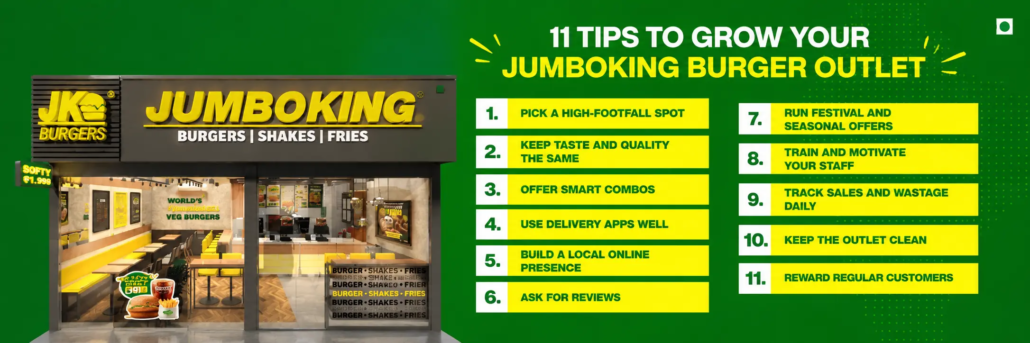
Opening day is only the start. Offer combos for students and office groups, list your outlet on delivery apps and ask happy customers for reviews. Keep taste and quality the same every day, because repeat customers are the real engine of any burger business. Track your daily sales and wastage so small leaks don’t turn into big losses. Many owners expand to a second outlet once the first one runs smoothly.

Tips to Grow Your Jumboking Burger Outlet

Burger franchise
  • Pick a high-footfall spot: Malls, food courts, colleges, office areas and busy markets bring steady walk-ins. Visit at different times of day before you finalise a site.
  • Keep taste and quality the same: Customers return when every burger tastes as good as the last one. Follow the brand’s recipes and portion sizes strictly.
  • Offer smart combos: Create budget meal deals for students, office groups and families. Combos raise your average bill without making customers feel they’re spending more.
  • Use delivery apps well: List your outlet on Swiggy and Zomato, use clear photos and keep prep times short. Fast, accurate delivery earns better ratings and more repeat orders.
  • Build a local online presence: Claim your Google Business profile, add photos and the menu, and reply to reviews. Many people find food outlets by searching “burger near me.”
  • Ask for reviews: Politely request feedback from happy customers. Strong ratings bring in new ones.
  • Run festival and seasonal offers: Special deals on festivals, exam seasons and weekends keep your outlet in people’s minds.
  • Train and motivate your staff: Friendly, quick service makes customers come back. Reward good performers to reduce staff turnover.
  • Track sales and wastage daily: Note your best-selling items, slow hours and wasted stock. Small leaks can quietly eat your profit.
  • Keep the outlet clean: A clean counter, kitchen and seating area builds trust, which matters even more in a vegetarian brand.
  • Reward regular customers: Simple loyalty offers, like a free add-on after a set number of visits, turn occasional buyers into regulars.
  • Think about expansion later: Once your first outlet runs smoothly and profitably, you can consider a second one.

Conclusion

Growing a Jumboking outlet doesn’t need tricks. It needs a good location, steady quality, smart offers and happy customers. Track your numbers daily, keep your staff motivated and build your online reputation one review at a time. Do these simple things consistently, and your outlet can grow into a trusted local name.

FAQ's

No franchise is guaranteed to be the most profitable, as results depend on location, rent and cost control. Food franchises like Jumboking can do well in Noida thanks to steady footfall from offices, colleges and families. Jumboking’s lower entry cost and simple menu also help keep expenses manageable.


Yes. Noida has a strong mix of young professionals, students and families, so burger outlets get customers throughout the day. Malls, markets like Sector 18 and busy delivery app usage add to the demand, which suits a Jumboking Burger outlet.


It depends on your budget and location, but Jumboking Burger Franchise is a strong option. It is an Indian vegetarian brand since 2001, with a menu that suits both family areas and office zones. Check the current terms with the brand before deciding.


Jumboking offers an established vegetarian brand, a lower investment than global chains (listed at about ₹30-35 lakh) and simple operations. Its pure-veg menu welcomes families and mixed groups, which fits Noida’s diverse crowd.


profitable franchise business

How to Start a Profitable Franchise Business in India?

Table of Contents
    Add a header to begin generating the table of contents

    Before investing in any franchise, it is important to understand the market, evaluate the brand, study the business model, and calculate the expected costs and potential returns. Choosing a profitable franchise business is not simply about selecting a popular product. Factors such as location, customer demand, operating costs, brand support, menu pricing, and day-to-day management can all influence the performance of a franchise.

    The Indian QSR industry has become increasingly competitive, with consumers looking for food that is convenient, affordable, and easily accessible. Burgers are particularly popular among younger consumers and urban customers, creating opportunities for entrepreneurs interested in a burger franchise.

    For someone considering a profitable franchise business, a recognised QSR brand can provide a structured way to enter the food industry instead of developing a completely new concept.

    Which Franchise Is Best in 2026?

    QSR franchise

    There is no single franchise that is automatically the best for every entrepreneur. The right franchise depends on factors such as investment capacity, location, target customers, business experience, and the level of support provided by the franchisor.

    However, food franchises remain an attractive category because food is a recurring consumer need. Within this segment, QSR brands can offer additional advantages through fast service, takeaway options, delivery, and dine-in formats.

    A burger franchise can be particularly appealing because burgers are easy to understand as a product, can be offered at different price points, and can be served through compact QSR formats.

    Entrepreneurs searching for the best burger business should therefore look beyond the product itself. They should evaluate the brand’s reputation, menu, franchise model, operating process, location requirements, training, marketing support, and overall business structure.

    For entrepreneurs looking for a profitable franchise business in India, Jumboking is one option worth considering because of its focus on burgers and the QSR format.

    Why Invest in a QSR Franchise Business?

    Investing in a QSR franchise business can be a good opportunity for entrepreneurs because it combines an established business format with the growing demand for quick, convenient, and affordable food. A QSR franchise can also provide a structured business model, making it easier for entrepreneurs to enter the food-service industry.

    Here are some key reasons to consider investing in a QSR franchise:

    • Growing Demand for Quick Food: Consumers increasingly prefer meals that are quick, convenient, and reasonably priced. This creates consistent opportunities for QSR businesses in high-demand locations.
    • Established Business Model: Unlike starting a restaurant from scratch, a franchise allows entrepreneurs to operate using an existing business concept, menu, processes, and brand identity.
    • Strong Burger Demand: Burgers are a popular choice among young consumers, students, working professionals, and families. This makes a burger franchise an attractive option within the QSR industry.
    • Brand Recognition: Investing in an established QSR brand can give entrepreneurs access to existing brand recognition, which may help attract customers compared with launching an entirely new food brand.
    • Multiple Revenue Channels: A QSR burger business can serve customers through dine-in, takeaway, and food delivery, allowing the outlet to cater to different customer preferences.
    • Operational Support: Franchise owners can receive guidance related to store operations, staff training, food preparation, marketing, and other aspects of running the business, depending on the franchise agreement.
    • Simplified Entry Into the Food Industry: For first-time entrepreneurs, a QSR franchise can offer a more structured approach to entering the restaurant business.
    • Potential for Expansion: Once an outlet is successfully established, franchise owners may have opportunities to expand by opening additional outlets, subject to the brand’s franchise terms and business performance.
    • Attractive Business Category: The combination of convenience, affordable pricing, and frequently purchased food makes the QSR sector an interesting category for entrepreneurs searching for a profitable franchise business.

    For entrepreneurs looking for the best burger business opportunity, a burger-focused QSR franchise can therefore be worth considering, provided they carefully evaluate the investment, location, operating costs, customer demand, and franchise terms before making a decision.

    How Is Jumboking One of the Most Profitable Franchise Businesses in India?

    Jumboking can be an attractive option for entrepreneurs looking for a profitable franchise business in India’s growing QSR market. Some of the key factors that make the Jumboking franchise worth considering include:
    • Established Burger Brand: Jumboking has built its identity around burgers, giving franchise owners the opportunity to operate under an established brand concept rather than starting a new burger business from scratch.
    • Growing QSR Market: Quick Service Restaurants are popular among customers looking for affordable, convenient, and quick meals. This creates opportunities for entrepreneurs entering the QSR franchise segment.
    • Popular Product Category: Burgers have strong appeal among young consumers, students, working professionals, and families, making a burger franchise a potentially attractive food business opportunity.
    • Focused Business Model: Jumboking focuses primarily on burgers and related food offerings. A focused menu can help maintain consistency in products, operations, and customer experience.
    • Multiple Customer Channels: A QSR burger business can serve customers through dine-in, takeaway, and delivery, helping the outlet cater to different purchasing preferences.
    • Brand Recognition: Operating under an established brand can provide entrepreneurs with greater brand visibility compared with launching a completely new restaurant independently.
    • Franchise Support: Entrepreneurs can benefit from the systems, processes, training, and guidance provided by the franchisor, depending on the terms of the franchise agreement.
    • Suitable for Entrepreneurs: A structured franchise model can be particularly useful for first-time business owners who want to enter the food industry with an established concept.
    • Scalable QSR Concept: Once the business model is understood and successfully operated, entrepreneurs may explore opportunities to expand their presence through additional outlets.
    Overall, the combination of an established burger concept, QSR format, and structured franchise model makes Jumboking an option worth considering for entrepreneurs searching for a profitable franchise business in India.

    What Are the Advantages of Investing in the Jumboking Burger Franchise?

    Investing in a Jumboking Burger franchise can offer several advantages for entrepreneurs interested in the QSR industry.
    • Established Brand Concept: Starting a business under an established brand can be different from creating a new restaurant brand from the ground up. Entrepreneurs can operate under an existing brand identity and business concept.
    • Burger-Focused Business Model: The burger category has broad consumer appeal, particularly among younger audiences. A focused menu can also make it easier to communicate the brand’s core offering.
    • QSR Format: The QSR model focuses on speed and convenience. This can support takeaway and delivery-oriented consumption in addition to traditional dine-in customers.
    • Operational Structure: A franchise model generally provides entrepreneurs with an established framework for running the business. This can be useful for people who may not have extensive experience in the restaurant industry.
    • Marketing and Brand Support: Franchise businesses can provide brand-level marketing and operational guidance. Entrepreneurs should understand exactly what support is included before making an investment decision.
    For someone evaluating a profitable franchise business, these factors can make a structured QSR model worth considering.

    How Much Money Is Required to Start a Jumboking Franchise Business?

    The investment required to start a Jumboking franchise can vary depending on factors such as the store format, location, size, property-related costs, equipment, interiors, working capital, and other operational requirements.

    Because these costs can vary from one location to another, prospective franchise owners should contact Jumboking directly for the latest investment requirements and franchise terms.

    Before investing in a profitable franchise business, entrepreneurs should prepare a complete budget covering the initial franchise investment as well as ongoing expenses.

    These may include:

    • Franchise-related fees
    • Store interiors and setup
    • Kitchen equipment
    • Initial inventory
    • Staff and training
    • Rent and security deposit
    • Licences and registrations
    • Marketing expenses
    • Working capital
    • Utilities and other operating costs

    Understanding the complete financial requirement is essential. A business should not be evaluated only on its initial investment. Entrepreneurs should also consider expected sales, operating expenses, break-even timelines, and cash-flow requirements.

    This approach can help investors determine whether a particular QSR franchise is suitable for their financial goals.

    Investment Required in Jumboking Franchise

    • Franchise fee: ₹4.5 lakh
    • Setup & interiors: ₹20 lakhs
    • Equipment & branding: ₹10 lakhs
    • Total investment: ₹35 lakhs (approx.)

    Conclusion

    Starting a profitable franchise business in India can be an attractive opportunity for entrepreneurs who want to enter an established business model instead of building a brand entirely from scratch.

    The QSR sector offers opportunities because of the growing preference for convenient and affordable food. Within this market, a burger franchise can be an appealing option for entrepreneurs who want to build a business around a popular and easily recognisable food category.

    Jumboking combines the burger concept with the QSR format, making it an option for entrepreneurs researching the best burger business opportunities in India. Its focused burger offering and franchise-oriented business model can make it worth considering for investors interested in a QSR burger business.

    However, choosing a profitable franchise business requires careful research. Entrepreneurs should evaluate the investment requirement, location, customer demand, operating costs, franchise support, and expected business performance before making a decision.

    If you are looking for a profitable franchise business Jumboking can be a great choice for you!

    FAQ's

    Jumboking Burger stands out as one of the most profitable franchise business known for serving thousands of customers since 2001. Jumboking Burger is most popular for its authentic taste and quick services. 


    Investing in Burger franchise is a profitable decision as burger nowadays are in high demand as they are quick to prepare and affordable. It has become a go to snack for many people. 


    A QSR burger franchise segment is one of the most profitable segment as nowadays burgers are in high demand and due to busy lifestyle demand for quick services are high.


    Jumboking burger is one of the most successful burger franchise in India. They are known for serving authentic taste at affordable prices since 2001. Jumboking Burger stands out as best franchise business for its affordable investment and high profits.


    best franchise business opportunity

    Which Is the Best Franchise Business Opportunity in 2026?

    Every year, thousands of aspiring business owners type the same question into a search bar: what is the best franchise business opportunity right now? The honest answer depends on your budget, your city and the time you can commit. In 2026, though, one pattern keeps repeating: affordable, food-led, quick-service formats attract the most attention. This blog looks at Jumboking and tests whether it deserves a place on your shortlist as the best franchise business opportunity for your goals.

    What is the best franchise business opportunity in 2026?

    The best franchise business  in 2026 combines manageable capital, steady everyday demand, simple operations and a brand customers already recognise. It should also offer a realistic path to recovering your investment, not just an impressive brochure.

    The best franchise business opportunity is rarely the most glamorous one. Global names can demand crore-level investments and tightly controlled master-franchise structures, which puts them out of reach for most individuals. Tiny unknown formats, on the other hand, leave you doing all the marketing yourself. The sweet spot sits in between: an established Indian brand, a compact format and a product people buy repeatedly. Food, and especially a burger franchise, ticks many of those boxes.

    Why is the QSR sector a smart bet for franchise investors?

    Quick service restaurants (QSR) attract investors because customers eat out often, spend modestly per visit and expect speed. That mix creates repeat footfall and predictable daily operations.

    India’s urban lifestyle strengthens the case. Long commutes, growing student populations, mall culture and delivery apps all push people toward quick, affordable meals. A Jumboking QSR business is built for exactly this behaviour: a focused menu, fast preparation and a price point that welcomes frequent visits. When investors ask what the best QSR franchise business looks like in a crowded market, QSR keeps coming up for these reasons.

    What is Jumboking?

    Jumboking is an Indian vegetarian burger brand that has been operating since 2001. It built its identity on Indian-flavoured burgers rather than imported recipes.

    That two-decade history matters. A brand that has lasted through several food trends has likely found a loyal base and a menu that adapts. A Jumboking QSR franchise lets you borrow that recall instead of building awareness from zero. For anyone comparing a burger franchise with other food formats, a brand with this much history offers familiarity, and familiarity makes customers order faster and trust sooner.

    Is Jumboking the best franchise business opportunity for first-time entrepreneurs?

    For many first-timers it can be, provided you have the capital, a strong location and the willingness to stay involved. No franchise is the best for everyone, but Jumboking’s entry cost and simple menu make it friendlier than most.

    Three things work in a beginner’s favour. The menu is focused, so training is quicker and mistakes are fewer. The investment, listed by one franchise directory at roughly ₹30-35 lakh, is well below what international burger chains ask. And a vegetarian-only kitchen removes the complexity of separate preparation lines. These points explain why many people consider the Jumboking QSR franchise the QSR franchise business opportunity for someone leaving a salaried job. “Best” is still not a guarantee, so verify every number yourself.

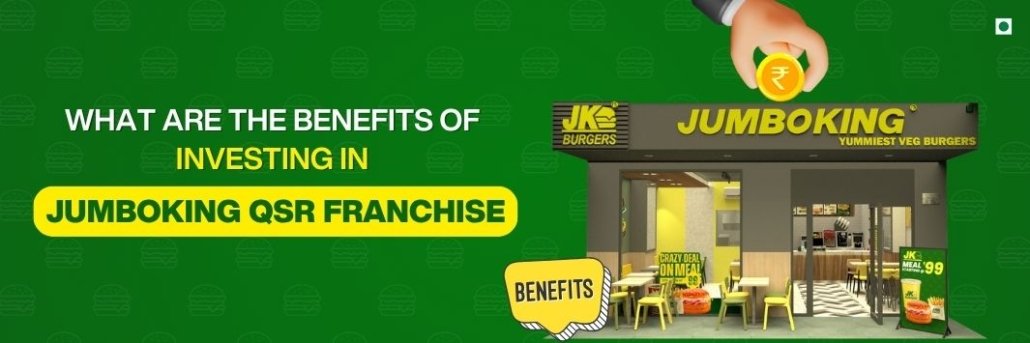
    What are the benefits of investing in Jumboking QSR franchise?

    Jumboking QSR franchise

    A Jumboking QSR franchise gives you an established vegetarian brand, a lower entry cost than global chains, simple operations and broad family appeal. Together, these make it a practical contender for the best franchise business opportunity in 2026.

    1. Brand heritage. Operating since 2001, Jumboking offers recognition that new brands spend years and heavy marketing budgets to earn.

    2. Affordable entry. Compared with crore-level international burger chains, the investment is more approachable, which reduces your financial risk at the start.

    3. Simple operations. A focused menu means fewer ingredients, less wastage and quicker staff training. That simplicity is a major reason people call a Jumboking QSR business easy to manage.

    4. Wider customer base. Because the menu is entirely vegetarian, families, students and office groups can eat together without anyone being left out.

    5. Multiple selling windows. Burgers sell as a snack, a light lunch, an evening bite and a delivery order, so one outlet can earn across the day.

    6. Room to scale. Many owners start with one outlet, learn the numbers and then expand. A modest first investment makes that path easier than starting with a high-cost format.

    Why does a vegetarian menu work for a burger franchise?

    A vegetarian menu lets every member of a group eat at your outlet without hesitation, and it simplifies your kitchen. In a country with a very large vegetarian population, this widens your audience instead of shrinking it.

    Operationally, a single-category kitchen needs one ingredient logic, no separate prep lines and fewer cross-contamination worries. Commercially, it builds trust with families and communities that avoid non-vegetarian food. A burger franchise that is vegetarian from the start doesn’t need to explain itself, and that clarity is a quiet advantage. It’s one more reason the Jumboking QSR franchise features in conversations about the best franchise business opportunity in the burger category.

    Which locations suit a Jumboking QSR franchise?

    High-footfall places work best: malls, food courts, colleges, office districts, transit hubs and busy family neighbourhoods. These spots deliver the repeat traffic a QSR model depends on.

    Choose by customer type, not just rent. A college area gives volume and price sensitivity. An office zone gives a strong lunch window but may be quiet on weekends. A residential market gives weekend and evening family orders. Visit your shortlisted site at different times, count real footfall and note competing food outlets. A smart location can lift a Jumboking QSR business far more than any discount or promotion.

    How can you apply for a Jumboking franchise?

    Contact Jumboking directly through its official channels and request the franchise brochure, current terms and available territories. Avoid paying anyone before confirming the offer with the brand itself.

    The usual process is straightforward: submit an enquiry, discuss your location and budget, review the agreement, finalise the site, complete the outlet setup and attend training before opening. Take your time at the agreement stage and consider having a lawyer review the contract. Rushing is the most common mistake people make when chasing the best QSR business opportunity.

    Conclusion

    Jumboking won’t suit everyone. But for entrepreneurs who want an Indian-rooted QSR burger franchise with manageable capital, a simple menu and broad family appeal, it deserves a serious look. Do the due diligence, visit existing outlets and run conservative numbers. If they hold up, the best vegetarian burger franchise in India may be the one that already speaks your customers’ language.

    Ready to explore a vegetarian burger franchise with Jumboking? Contact the brand directly for current investment, royalty and location terms.

    FAQ's

    It can be, especially for entrepreneurs wanting a vegetarian burger franchise with a lower entry cost than global chains. Success still depends on location, management and cost control.


    Burgers are one of the most sold items in todays economy as they are budget friendly, healthier than other fast food and are quick to prepare that's why there is a high demand for burger franchises. 


    No franchise is guaranteed profitable, as results depend on location, rent and cost control. Jumboking is a strong contender thanks to its lower investment and simple operations. The brand markets a 10-12 month payback, but treat that as a best-case claim.


    Jumboking burger is one of the most successful burger franchise in India. They are known for serving authentic taste at affordable prices since 2001. Jumboking Burger stands out as best franchise business for its affordable investment and high profits.


    vegetarian Burger franchise

    Best vegetarian Burger franchise in India- Jumboking Burger

    Walk through any Indian mall food court and you’ll notice a quiet paradox: the burger came from abroad, but the people queuing for it are unmistakably Indian. They want spice, value and, for a very large number of them, certainty that everything on the menu is vegetarian. That gap is where Jumboking built its name. It’s why anyone researching a vegetarian burger franchise in India keeps meeting the same brand.

    A Burger That Learned to Speak Indian

    Jumboking has been around since 2001, long before “desi fusion” became a menu buzzword. Rather than copying a Western template and adding one paneer item for the locals, the brand started from Indian taste and worked outward. The result is crisp patties, tangy sauces and street-food flavours inside a bun.

    That familiarity is an underrated business asset. A customer who already understands the menu orders faster and argues less about price. In any QSR franchise, quicker decisions at the counter mean more orders per hour, and that’s where margins quietly live.

    Strategy behind fully vegetarian brand

    First-time investors often hear “only vegetarian” and worry about a shrinking market. Often the opposite holds. A single-category kitchen is simpler to run: one ingredient logic, no separate prep lines, and no worry among families who avoid non-vegetarian food about what shares the grill.

    That’s why the QSR vegetarian franchise model suits offices, colleges, family neighbourhoods and transit hubs, where the crowd is mixed but comfort has to be universal. Everyone can eat at a vegetarian counter; not everyone can eat at a non-vegetarian one. A vegetarian burger franchise starts with a wider invitation than it first appears.

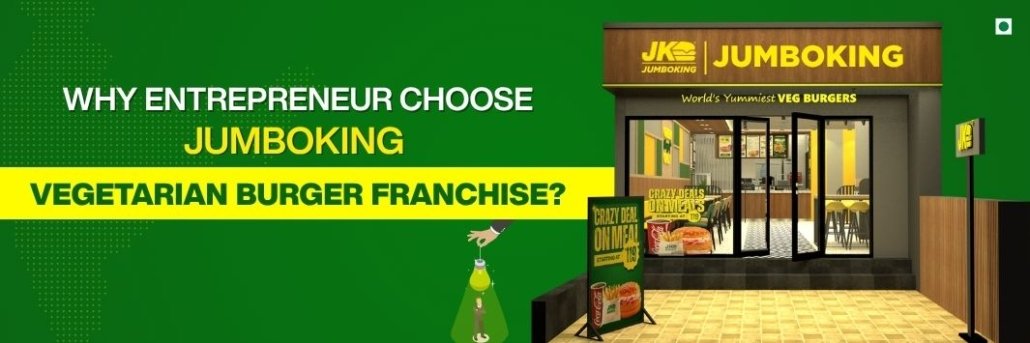
    Why Entrepreneurs Choose the Jumboking Vegetarian Burger Franchise

    Jumboking vegetarian Burger

    Ask franchise consultants why Jumboking keeps landing on shortlists and the reasons cluster into five practical ones.

    1. An entry cost within reach. One franchise directory lists Jumboking at roughly ₹30–50 lakh, a fraction of what major international chains ask. That makes it a realistic QSR burger franchise for professionals leaving a salary for their first business.

    2. Compact formats. A smaller footprint means lower rent, often the heaviest line on a food outlet’s P&L.

    3. Lighter operations. A focused vegetarian menu keeps training simple and reduces the wastage risk that comes with sprawling menus.

    4. Staying power. Surviving two decades of shifting food trends counts for something when you’re choosing a brand to bet years on.

    5. Payback appeal, with a caveat. The brand markets a payback of about 10–12 months. Treat that as a best-case claim and build your own numbers.

    All five lead to one idea: a vegetarian burger franchise that’s affordable to enter, easy to run and easy to explain to customers.

    Jumboking vs. the Global Giants

    International brands bring marketing muscle, but also crore-level investments and tightly controlled master-franchise structures. Jumboking sits in the middle: an Indian QSR franchise with local flavour and a lower cheque. You trade global glamour for flexibility. For anyone hunting the best vegetarian burger franchise on a realistic budget, that trade often makes sense.

    Is It Right for You?

    It’s a good fit if you:

    • want a food business without crore-level capital
    • can secure a high-footfall location
    • will stay hands-on, at least in your first year

    Think twice if you expect passive income or can’t commit to consistent quality. Any QSR vegetarian franchise rewards discipline, not delegation.

    Questions to Ask Before You Sign

    • How many outlets are operating today, and how many have closed?
    • What are the franchise fee, royalty and supply-chain terms, in writing?
    • Is your territory protected?
    • Can you speak with three current franchisees without the brand present?
    • What do realistic sales look like at your location, not in the brochure’s best case?

    A vegetarian burger franchise is only as strong as its unit economics, so ask for the numbers.

    Conclusion

    Jumboking won’t suit everyone. But for entrepreneurs who want an Indian-rooted QSR burger franchise with manageable capital, a simple menu and broad family appeal, it deserves a serious look. Do the due diligence, visit existing outlets and run conservative numbers. If they hold up, the best vegetarian burger franchise in India may be the one that already speaks your customers’ language.

    Ready to explore a vegetarian burger franchise with Jumboking? Contact the brand directly for current investment, royalty and location terms.

    FAQ's

    Jumboking is positioned as a vegetarian brand, which is a big part of why it works as a QSR vegetarian franchise. Confirm the current menu and kitchen standards with the brand before you sign.


    The brand markets a payback of around 10-12 months, but that's a best-case claim, not a guarantee. Your timeline depends on rent, footfall, staffing and how well you manage costs. Build your own conservative projections and speak to existing franchisees.


    It can be. The investment is lower than that of international chains, and a focused vegetarian menu keeps operations simpler. Any QSR burger franchise still takes hands-on effort, especially in the first year.


    Usually not, since franchisors typically provide training and operating systems. Ask Jumboking exactly what training, supply-chain support and marketing help you'll get.