Buying a Franchise vs. Non-Franchise Business
/0 Comments/in Blog/by Jiya JoshiStarting a business is a dream for many Indians, and the first big decision is how to begin. Do you build an independent brand from scratch, or go with buying a franchise of an established name? The choice shapes your investment, your risk, your daily operations and your long-term growth. This is especially true in the fast-moving QSR business, where customers expect speed, consistency and value.
This guide compares both routes so you can decide with confidence.
What Does Buying a Franchise Mean?
Buying a franchise means you get the right to run a business under an established brand’s name, systems and processes. In return, you pay an initial franchise fee and usually ongoing royalties. A non-franchise business is entirely your own. You create the brand, menu, systems and supplier network yourself, and you keep every rupee of profit, along with every risk.
Pros of Buying a Franchise

1. A proven business model: When buying a franchise, you step into a model that has already been tested in the market. Pricing, menu, layout and workflows are defined, so you skip months of trial and error.
2. Instant brand recognition: A known brand brings footfall from day one. Customers already trust the name, which shortens the time to break-even.
3. Training and operational support: Franchisors typically train you and your staff on operations, hygiene, customer service and inventory. This is a big help if you are a first-time entrepreneur.
4. Supply chain and marketing strength: Centralised sourcing keeps quality and costs stable, and brand-level marketing means you don’t have to fund big campaigns alone.
5. Lower risk: For most beginners, buying a franchise reduces the chance of costly early mistakes, and lenders are often more comfortable financing a recognised brand.
Cons of Buying a Franchise
1. Fees and royalties: The franchise fee and recurring royalty reduce your margins, so factor them into your projections.
2. Limited creative freedom: You must follow brand rules on menu, pricing, interiors and suppliers. If you want to experiment freely, this can feel restrictive.
3. Dependence on the brand’s reputation: If the parent brand faces a quality or reputation issue, every outlet feels the impact.
4. Contractual obligations: Agreements typically run for a fixed term with renewal and exit conditions. Read every clause carefully before signing.
Pros of a Non-Franchise Business
- Full control: You decide the concept, pricing, suppliers and growth plan.
- Higher profit potential: There are no royalties, so successful ventures keep the entire margin.
- Creative freedom: You can pivot quickly based on customer feedback.
- Ownership of the brand: The brand equity you build is entirely yours and can be sold or scaled later.
Cons of a Non-Franchise Business
- Higher failure risk: Without a tested model, mistakes in location, pricing or costing can be expensive.
- Slow brand building: It can take years and heavy marketing spend to earn customer trust.
- No ready support: Training, sourcing, technology and processes all have to be built by you.
- Harder to raise funds: Banks and investors often prefer businesses with a track record.
Quick Comparison
| Factor | Franchise | Non-Franchise |
|---|---|---|
| Risk level | Lower | Higher |
| Brand recognition | Immediate | Built over time |
| Control | Limited | Full |
| Support & training | Provided | Self-managed |
| Profit margin | Shared via royalty | Entirely yours |
| Time to break-even | Usually faster | Usually slower |
Why the QSR Franchise Business Is Gaining Popularity in India?
India’s rising urban population, growing disposable incomes, busy lifestyles and love for affordable, tasty food have made the burger business in India one of the most promising sectors in food and beverage. Quick service restaurants rely on standardised menus, fast service and compact outlets, which fits the franchise format very well.
That is why the QSR franchise business model is attractive to first-time and seasoned investors alike. Strong systems, controlled costs and repeat customers make a QSR business more predictable than many independent restaurants. For anyone considering buying a franchise in the food sector, QSR offers a strong mix of scalability and demand.
Advantage of Investing in Jumboking Franchise Business

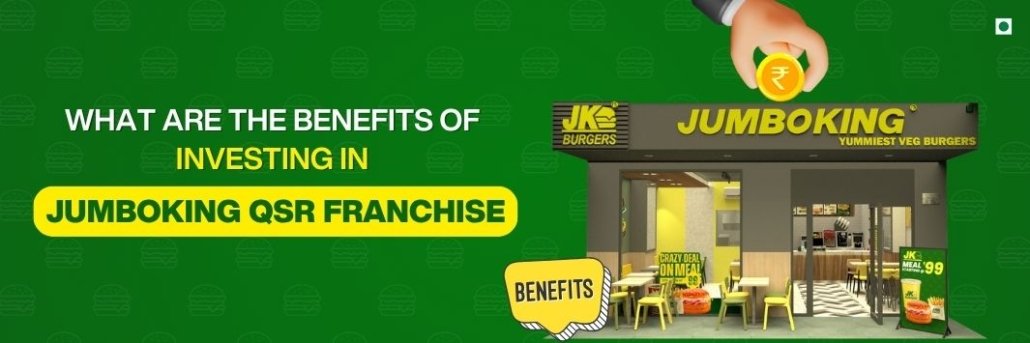
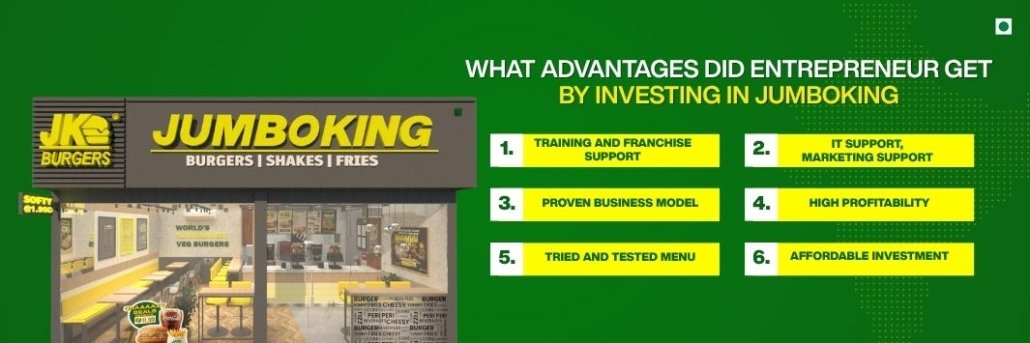
Investing in a Jumboking franchise business lets you enter the growing QSR business in India with a trusted, homegrown brand behind you. Jumboking is known for its Indian-style fast food, led by the much-loved vada pav, and its affordable menu appeals to customers across age groups. With a proven operating model, training and ongoing brand support, buying a franchise from Jumboking is a practical and lower-risk way to start your own QSR franchise business, even without prior restaurant experience.
Key advantages of the Jumboking franchise business:
- Strong brand recognition: Jumboking is a familiar name in Indian fast food, so you attract customers from day one instead of spending years building trust, which is a major benefit of buying a franchise in the QSR sector.
- Popular, affordable menu: Indian-style favourites like vada pav and desi burgers suit local tastes and pocket-friendly pricing, which helps drive repeat customers and steady footfall in any QSR business.
- Proven and easy-to-run model: A standardised menu and simple preparation processes make daily operations smooth, even for first-time entrepreneurs.
- Training and ongoing support: From setup and staff training to operations guidance, the Jumboking team helps you run your outlet with confidence and consistency.
- Scalable opportunity in a growing market: With demand for quick, affordable food rising across cities, the QSR business in India offers strong growth potential, and a compact outlet format makes the Jumboking franchise business easier to start and expand.
How to Decide: Franchise or Non-Franchise?
Ask yourself these questions:
- Do I have prior industry experience? If not, buying a franchise gives you a guided start.
- How much risk can I take? Lower risk tolerance points toward a franchise.
- How important is creative control? If it matters most, an independent business may suit you better.
- What is my budget? Compare the total investment, including fees, setup and working capital.
Before buying a franchise, always study the franchisor’s track record, speak to existing franchisees, and understand the full cost structure and agreement terms.
Conclusion
Both paths can lead to success. An independent business suits those who want full control and can handle higher risk, while buying a franchise suits those who value a proven system, brand trust and guided support. With the QSR business in India expanding rapidly, buying a franchise with a trusted brand like Jumboking can be a smart step toward business ownership.
Ready to start your journey? Connect with the Jumboking team today to explore franchise opportunities near you.
FAQ's
It depends on your goals. Buying a franchise offers lower risk, brand recognition and support, while an independent business offers full control and higher profit potential. Beginners often prefer a franchise.
The investment varies by brand, location and outlet size. It typically covers the franchise fee, interiors, equipment, licences and working capital. Contact the franchisor for exact figures before buying a franchise.
Review the brand’s reputation, support system, total costs, royalty structure, agreement terms and the experience of current franchise partners.
No, Training and operational support help new entrepreneurs get started, though a focus on service and quality always helps.